Fighting Social Discrimination Through Education NGOs
Every child deserves the chance to learn, grow, and dream about the future. Yet for many children in India, opportunities are not always equal. Social discrimination continues to create invisible barriers that prevent children from reaching their full potential. Across many communities, children face exclusion because of poverty, caste, gender, or social status. These challenges often begin early in life and affect how children are treated in schools, communities, and even within their own neighborhoods.
For vulnerable children, especially those living in marginalized communities, discrimination can limit access to education, healthcare, and opportunities. When children grow up feeling excluded or unsupported, it can shape how they see themselves and what they believe they can achieve. However, education has the power to change this reality. Education not only opens doors to knowledge but also helps build confidence, dignity, and equality.
World Vision India ensures that every child has access to equal opportunities, regardless of their background.
How Social Discrimination Impacts Children's Lives
Discrimination affects children in ways that are often quiet but deeply impactful. Many children from disadvantaged backgrounds struggle to access quality education simply because of the circumstances they are born into.
Some children face stigma that discourages them from attending school regularly. Others are forced to leave school early because their families cannot afford the costs associated with education.
As a result, many children experience lower school enrollment, higher dropout rates, and limited career opportunities in the future.
When children grow up without access to education and support, they often remain trapped in cycles of poverty and inequality. Education NGOs work to eliminate these barriers by creating inclusive learning environments where every child feels welcomed and valued.
How Education NGOs Create Equal Opportunities
Education NGOs play a vital role in ensuring that children from all backgrounds can access learning opportunities.
Programs developed by child-focused NGOs in India focus on reaching children who might otherwise be excluded from the education system. These programs aim to remove barriers that prevent children from attending school and continuing their studies.
Many initiatives begin with early childhood education programs that help young children build foundational learning skills and confidence. As children grow older, NGOs continue to support them through school support programs that provide books, uniforms, and learning materials.
Scholarships, mentoring, and guidance programs also help children stay motivated and focused on their education. By addressing challenges early and providing consistent support, NGOs help children remain in school and continue pursuing their dreams.
Balancing Health and Education for Kids’ Growth
Discrimination often overlaps with poverty, and many children from marginalized communities lack access to proper healthcare and nutrition.
Children who do not receive adequate nutrition or medical care may struggle to concentrate in school or attend classes regularly. To address these challenges, many NGOs combine education initiatives with community health initiatives that focus on improving children's overall well-being.
Programs such as nutrition programs for children help ensure that children receive the healthy meals they need to grow and learn effectively. Access to healthcare services and maternal and child health programs also support families and improve the well-being of children and caregivers.
When children are healthy and well-nourished, they are better able to participate in school and reach their full potential.
Creating Safe and Healthy Living Environments
Equal opportunities for children also depend on safe and healthy living environments.
Many education programs include Water, Sanitation and Hygiene (WASH) initiatives that improve community health and living conditions.
Efforts such as clean drinking water projects, safe water initiatives, and sanitation awareness programs help communities access safe water and improved sanitation facilities.
In addition, hygiene education in India teaches children essential habits such as handwashing and maintaining clean surroundings. These practices play an important role in preventing disease and protecting children's health.
By improving community health conditions, these initiatives create environments where children can focus on learning and personal development.
Supporting Children in Developing Key Life Skills
Education is not only about academic learning. Children also need the confidence and practical skills to navigate challenges and build positive futures.
This is why many NGO programs include life skills education as part of their learning approach.
Through life skills education, children learn how to communicate effectively, make informed decisions, solve problems, and build healthy relationships. These abilities help children develop resilience and self-belief.
For children who have experienced discrimination, these skills are especially important. They help children understand that their background does not define their abilities or limit their dreams.
Building Communities That Support Every Child
Addressing discrimination requires the participation of entire communities.
Education programs often work closely with parents, teachers, and community leaders to create more inclusive environments for children.
Through awareness campaigns and community engagement initiatives, NGOs encourage families to support equal opportunities for education.
As a non-profit organization in India, World Vision collaborates with local partners to promote equality and protect children's rights.
These efforts help communities recognize the value of every child and create spaces where children are respected, encouraged, and supported.
Creating Lasting Change for Future Generations
When education becomes accessible and inclusive, its impact reaches far beyond classrooms.
Children who receive quality education grow into confident adults who contribute positively to their communities. They become leaders, teachers, healthcare workers, and advocates for change.
Many of these individuals go on to support the next generation, ensuring that more children receive opportunities that were once denied to them.
This long-term vision is shared by international NGOs in India that are working toward sustainable development and social equality.
A Future Where Every Child Is Valued
Imagine a society where every child, regardless of background, has the chance to attend school, stay healthy, and pursue their dreams.
This vision is gradually becoming reality through the efforts of child welfare organizations and education initiatives across the country.
However, continued support is essential to expand these programs and reach more children who are still facing discrimination and exclusion.
Through the dedication of World Vision India, thousands of children are gaining access to education, healthcare, and opportunities for a brighter future.
And with every child who receives support, communities move one step closer to a more equal and inclusive society.
Because when children are given the chance to learn, grow, and believe in themselves, they do not just change their own lives, they help create a better future for everyone.
Kiran's Inspiring Journey to Canada
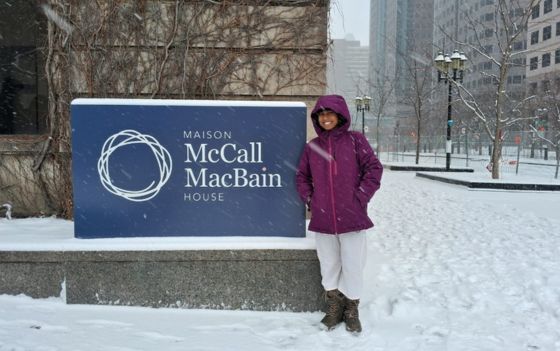
Kiran's story is pure inspiration! Growing up in Kolkata she juggled family and studies. “Having to raise three children wasn’t easy for my parents, but World Vision India supported my education and helped me discover my passion for social issues.” World Vision India’s Snehadeep community project and Play for Peace programme, conducted workshops on life skills, street plays, and puppet shows which became platforms for her to find her voice.