Founding Story
A Legacy Rooted in Compassion
World Vision’s origins lie in a heartfelt response to human suffering and a deep desire to make a difference. In 1947, moved by the plight of orphaned children during the Korean War, Bob Pierce had a simple reflection: “Let my heart be broken by the things that break the heart of God.” This reflection grew into a global organisation.
World Vision began its journey, aiming to serve children in crisis. These humble beginnings sparked decades of transformative development across the country.
Timeline
Decades of Impact

1975
The World Vision India Board was constituted. Our projects included relief, integrated development, water and sanitation, and livelihoods to support children, families, and communities.



1976
World Vision India was officially registered in under the Tamil Nadu Societies Act 1960.
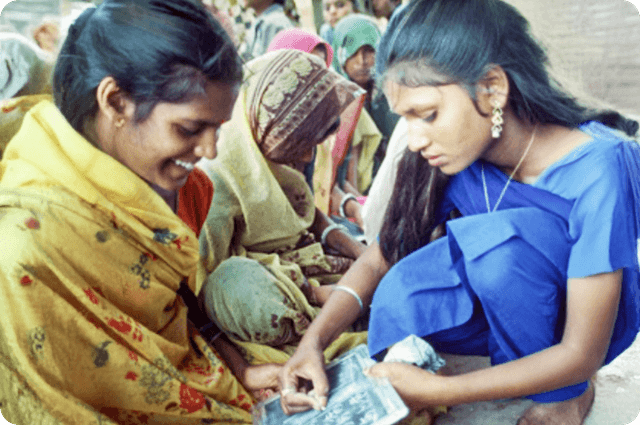
1977
We responded to the devastating cyclone in Andhra Pradesh, which claimed over 30,000 lives and caused widespread destruction. We also transitioned into Community Development Projects, and training was held for staff on childcare, relief, and development.
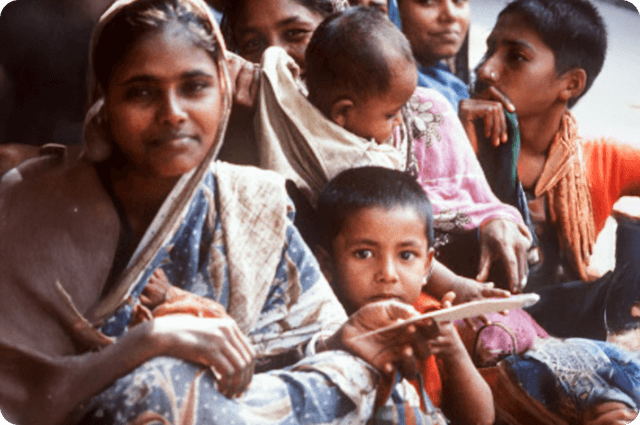
1978
We received its first state-level award from the then Chief Minister of Andhra Pradesh, Mr. Kotla Vijaya Bhaskara Reddy, for outstanding rescue and relief work. This marked our earliest government recognition in India.
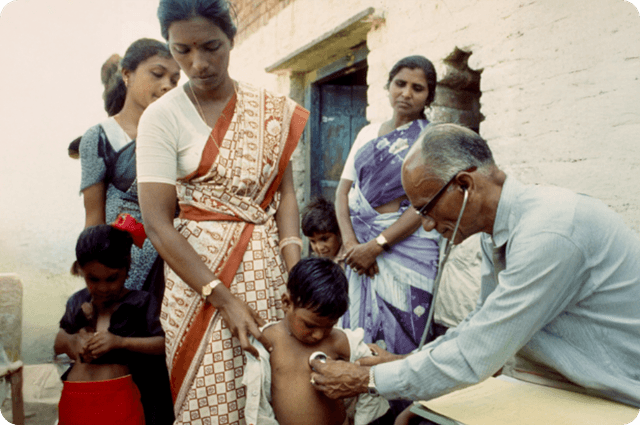
1984
Expansion of programmes to include family initiatives and Development Assisting Centres. We also responded to the Bhopal Gas Tragedy in 1984.
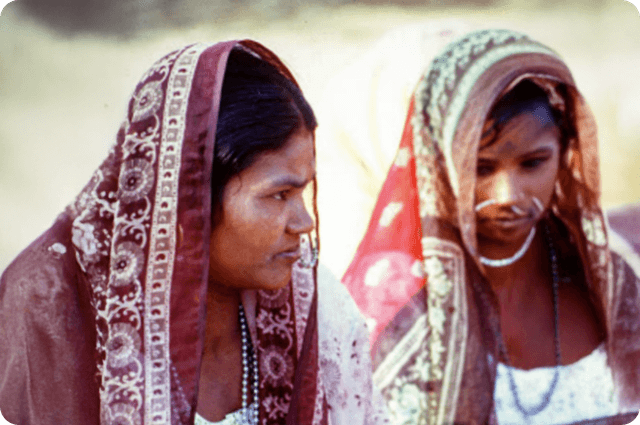
1985
Women’s development initiatives were launched across our programme areas to promote empowerment, financial independence, and meaningful participation of women in community life.
1986
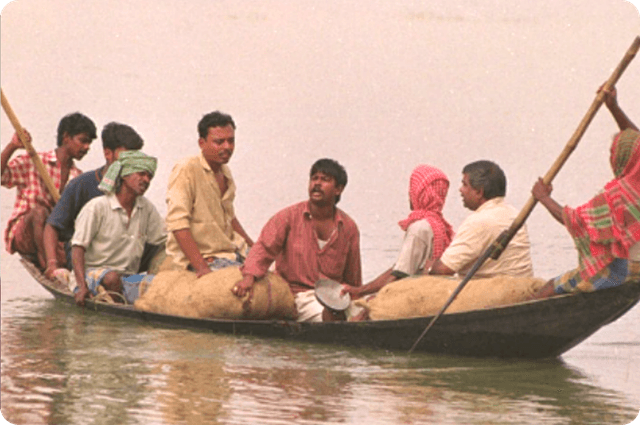
We responded to the floods in Andhra Pradesh and provided drought relief in Rajasthan, extending timely support to affected communities.
1987
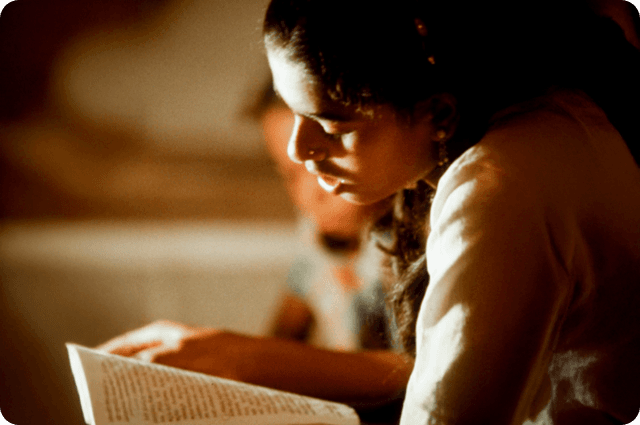
We introduced the Project Planning Workbook and launched four Development Assisting Centres to empower communities. This year also marked the arrival of our first computer and the start of Electronic Data Processing.
1988
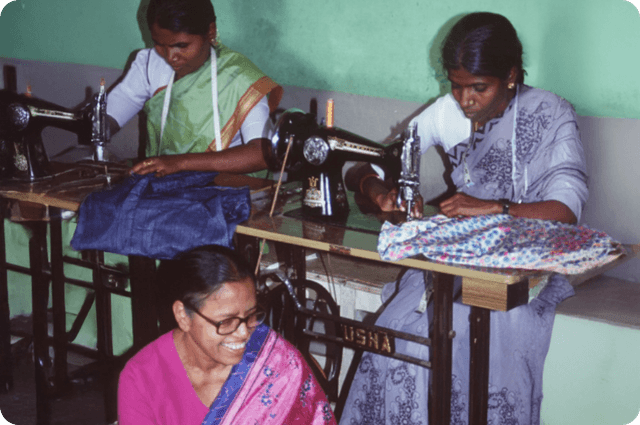
We initiated identifying formerly sponsored children and provided financial support under the Extended Sponsorship Project.
1993
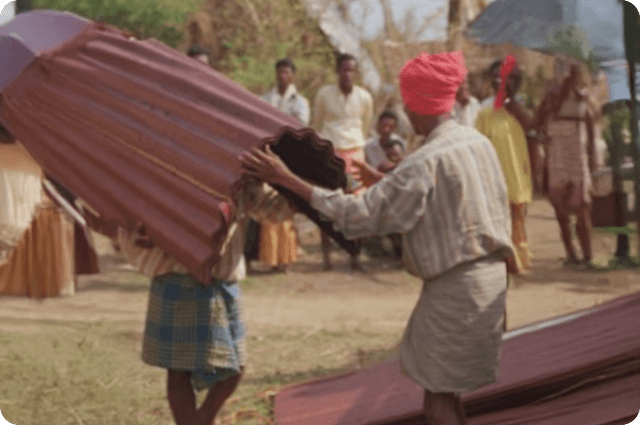
We responded swiftly to the Latur earthquake, reaching over 10,000 families with relief and medical aid. Quake-proof homes, schools, and hospitals were built, leading to long-term development programmes in the region.
1994
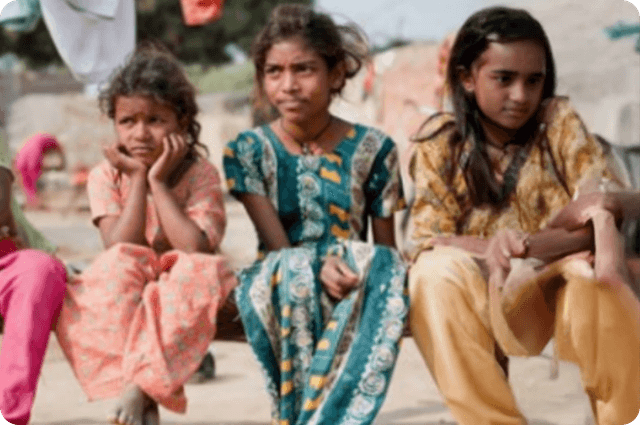
Received the Best NGO Award from Maharashtra’s then Chief Minister, Mr. Sharad Pawar, for its impactful earthquake relief.
1995
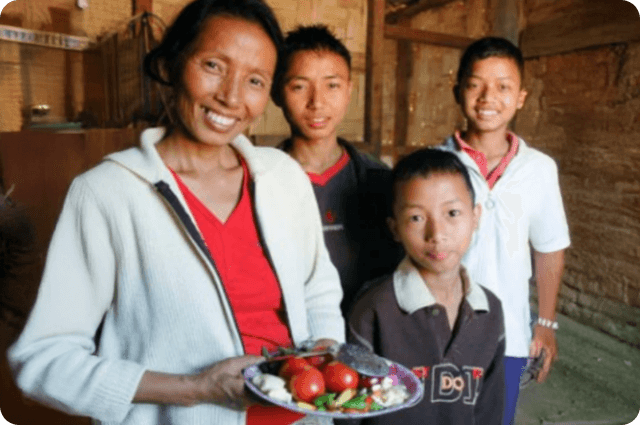
We transitioned from a funding agency to a direct implementing agency, launching 100 Area Development Programmes and expanding to 20 states.
1999
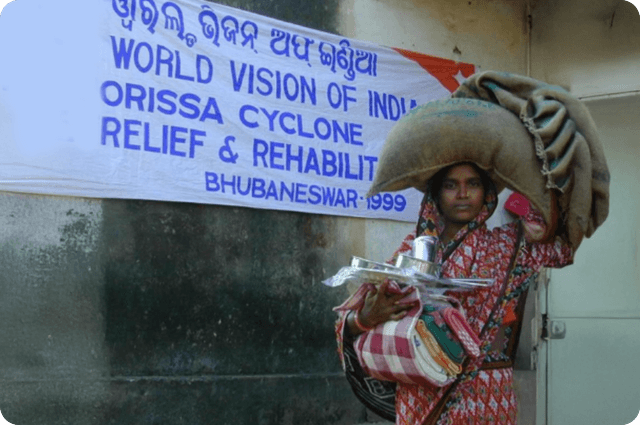
In response to the devastating Super Cyclone in Odisha, we provided immediate relief within 24 hours and launched long-term rehabilitation—reaching 60,000 people across 160 villages, constructing 1,500 houses, building 20 check dams, and laying 100 km of water pipelines.
2001
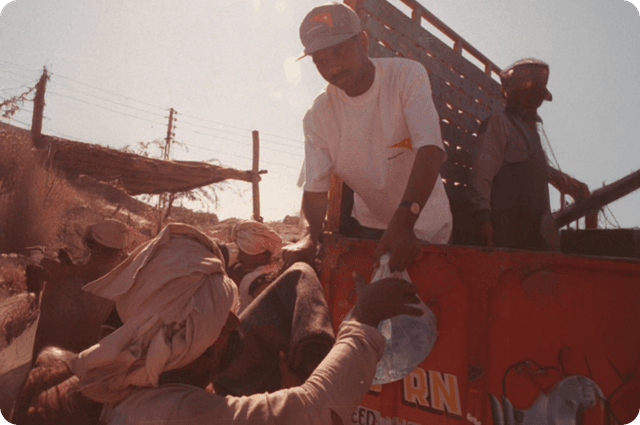
In response to the Bhuj earthquake in Gujarat, we reached over 76,000 families across 160 villages within 24 hours, providing relief and long-term support including water systems, agriculture, and the construction of 1,400 houses.
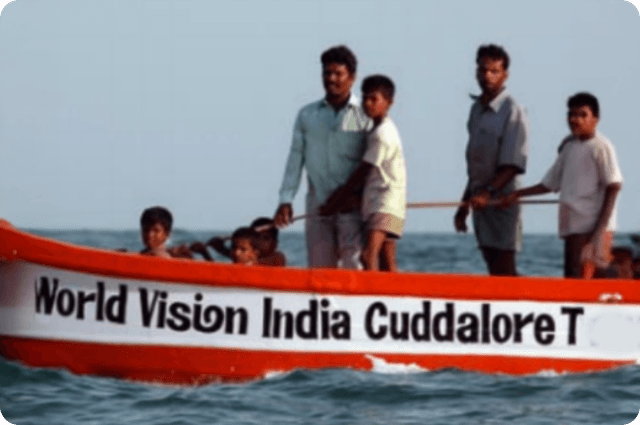
2004
Response to the devastating Tsunami initiated across Tamil Nadu, Kerala, Andhra Pradesh, and the Andaman & Nicobar Islands.
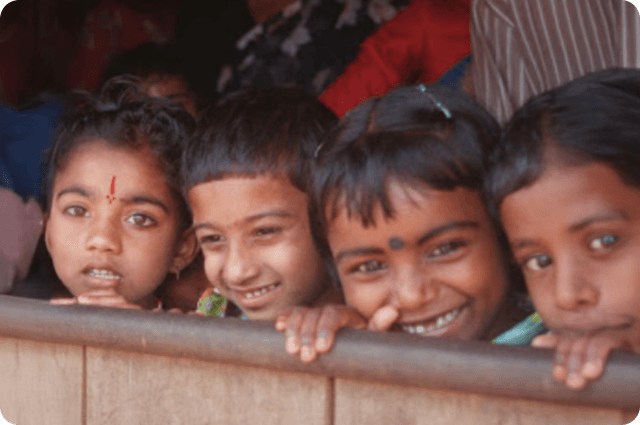
2004
This year marked a shift from a decentralised to a centralised approach, alongside the launch of the Learning through Evaluation and Accountability and Planning (LEAP) -1 process.
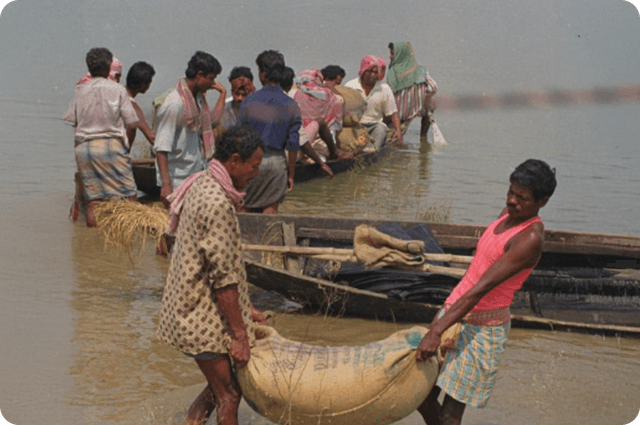
2005
The response towards the 2004 Tsunami continued through the ITRT project that provided support with shelter, health, psychosocial care, and livelihoods. The project helped 76,913 families, with 7,913 permanent homes and intermediate shelters.
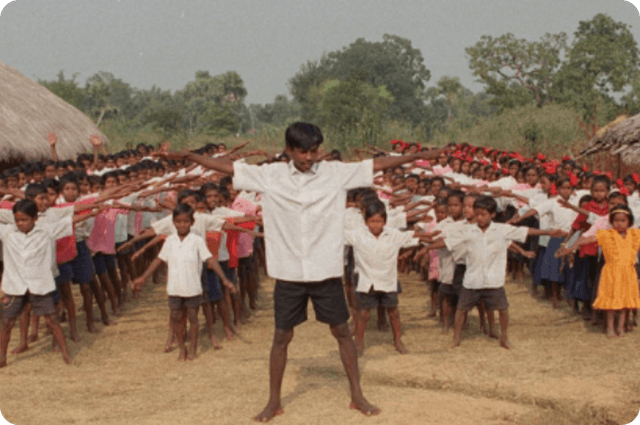
2006
We launched the "Children in Crisis" campaign as a part of our child protection programme which led to the formation of 8,648 children’s clubs and 5,696 child protection committees, with 80,743 children participating as members. Over 94,000 children were enrolled in schools.
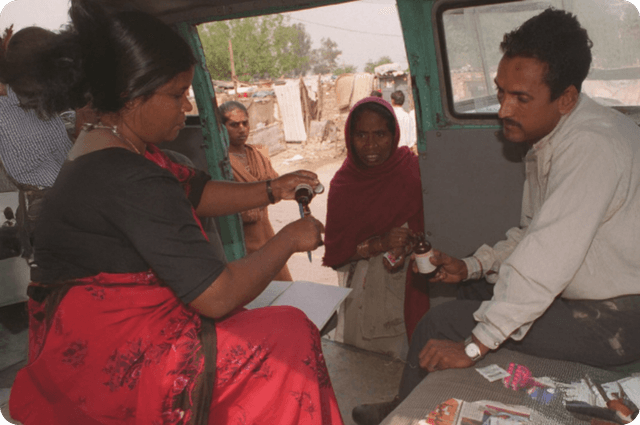
2006
We became a member of the National Disaster Management Authority and the Women and Child Development wing of the Planning Commission for the 11th Five-Year Plan.
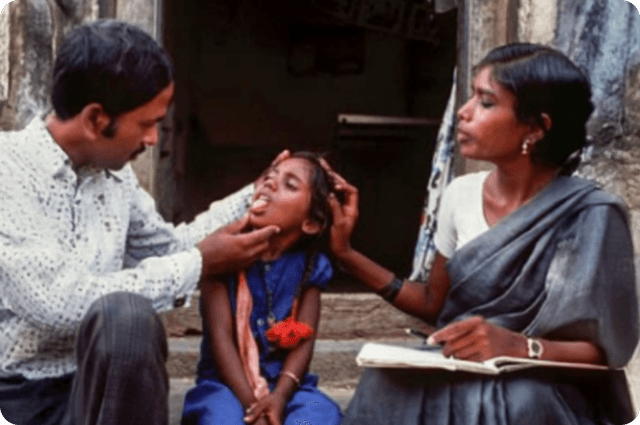
2006
The National TB Consortium was launched through SHIFA, and nine children, along with one staff member, met President Dr. APJ Abdul Kalam to present a memorandum with eight urgent demands to eliminate child labour.
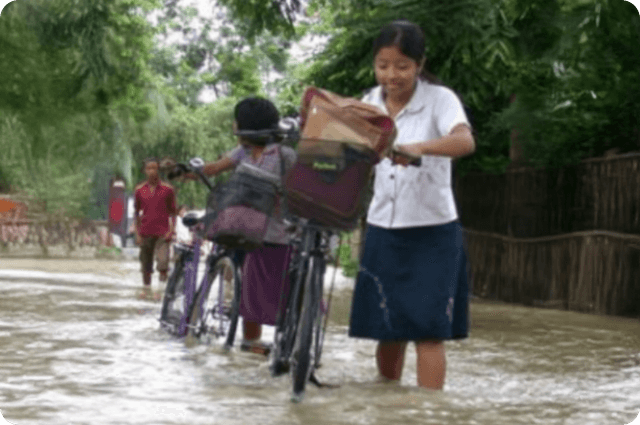
2008
We responded to the floods in Odisha and Bihar, providing emergency relief and support to affected communities.
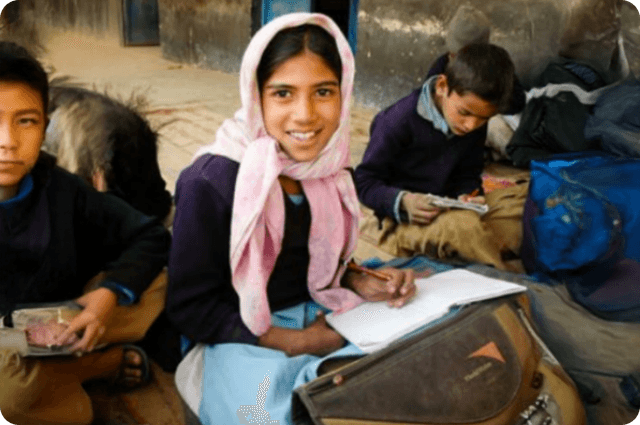
2008
The organisation transitioned to the LEAP-2 framework to strengthen programme effectiveness.
2010
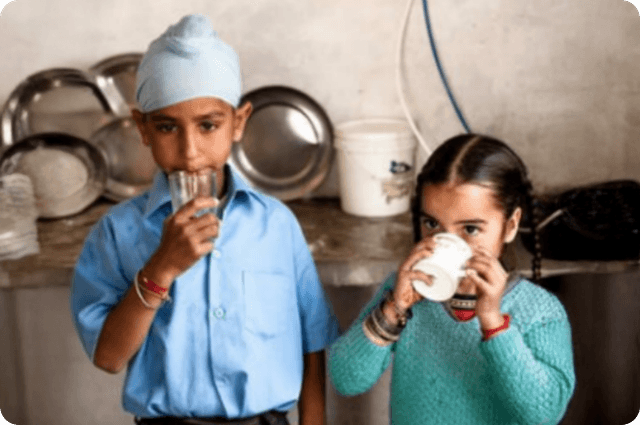
Our flagship programme IPCH was launched to address the malnutrition emergency in India, with 92 projects contributing to the India Nutrition Response.
2013
We became a governing body member of the Coalition for Food and Nutrition Security.
2014
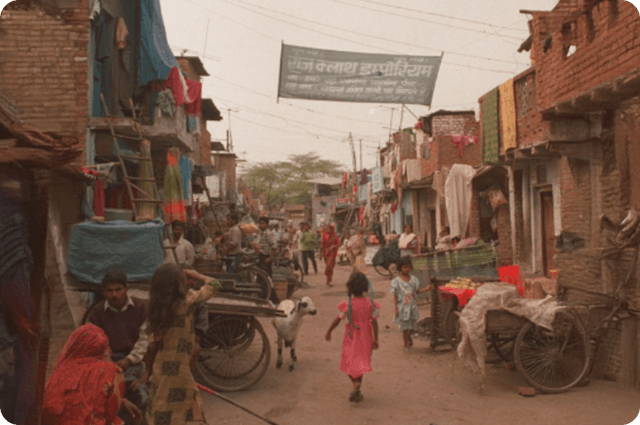
We launched our new country strategy and began the LEAP-3 process, training staff and scaling efforts across our programme areas.
2014
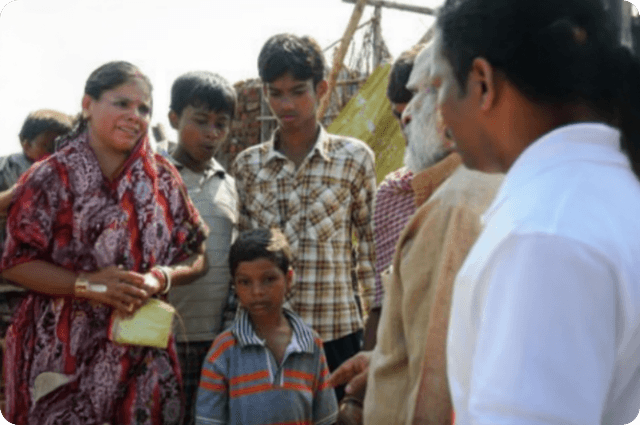
We strengthened partnerships with government and civil society, rescued over 200 trafficked children, contributed to national disaster policies, and reached 26 lakh children through the support of our donors.
2016
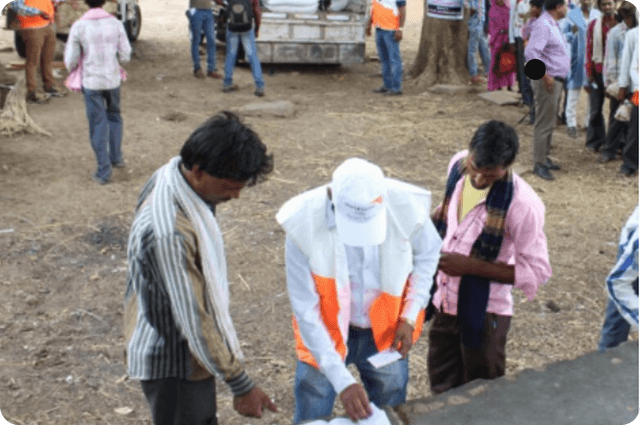
We responded to major disasters, providing flood relief to over 235,000 people across Bihar, Assam, and South India, and drought support to over 16,000 in Maharashtra.
2016
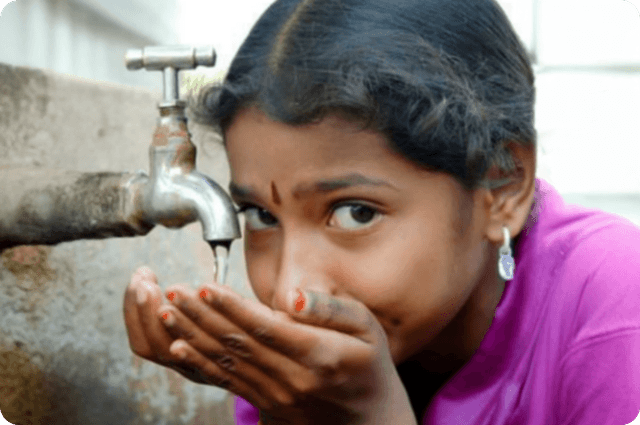
The organisation strengthened impact through LEAP 3 compliance, nationwide technical programmes on child health, education, protection, and resilience, and improved community hygiene with clean water initiatives.
2017
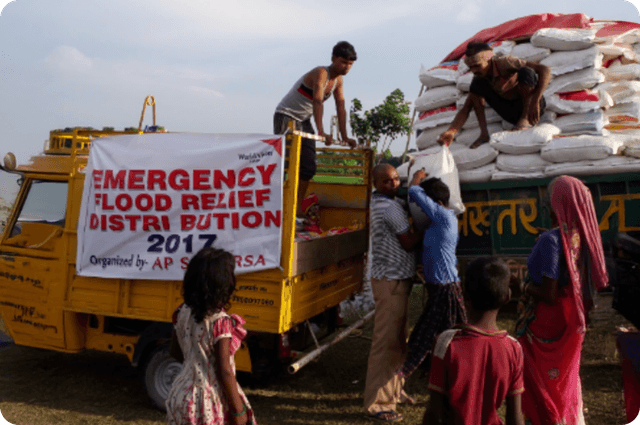
Provided emergency relief to over 13,000 people affected by cyclones and floods across Odisha, Bihar, and Assam.
2019
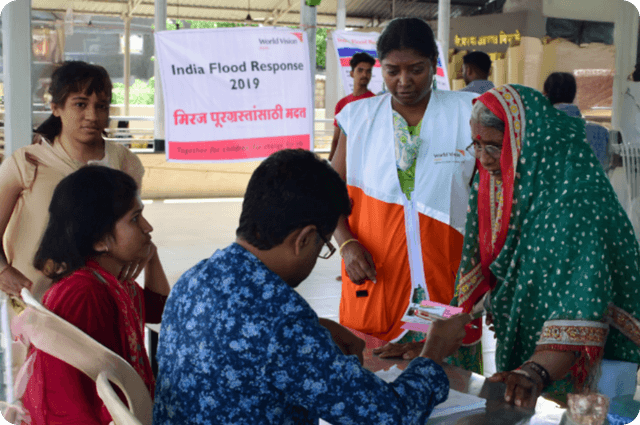
We responded to Cyclones Fani and Titli in Odisha and the Kerala floods, supporting over 1.6 lakh people through emergency relief.
2019
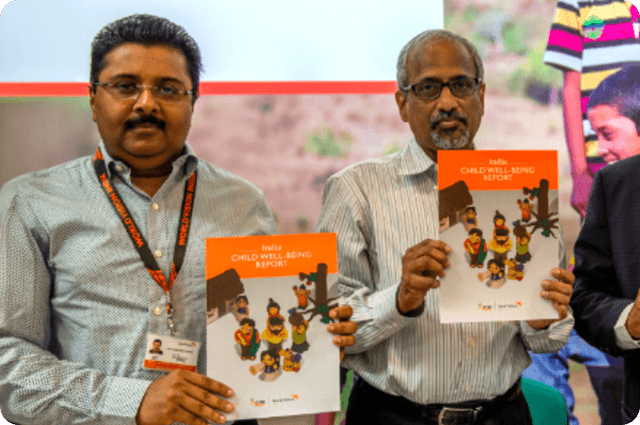
We received the NGO Excellence Award, published the Child Well-Being Report, and reached millions through initiatives on health, education, life skills, and child protection.
2020
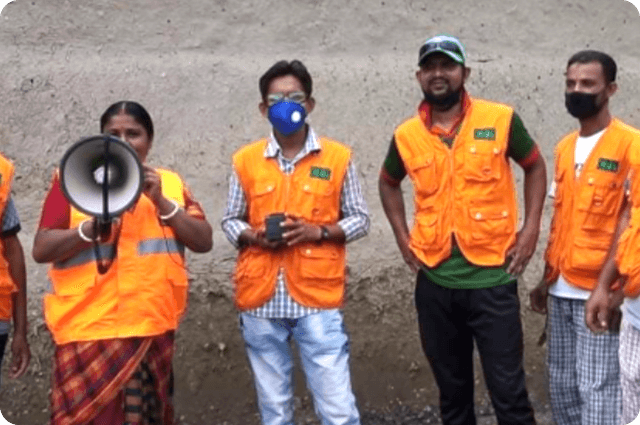
We responded to the COVID-19 pandemic, directly reaching over 3 million people with food assistance, medical supplies, hygiene kits, education support, and child protection services. Alongside awareness campaigns and strengthening health systems, we conducted large-scale assessments and developed strategies to address pandemic-related challenges.
2021
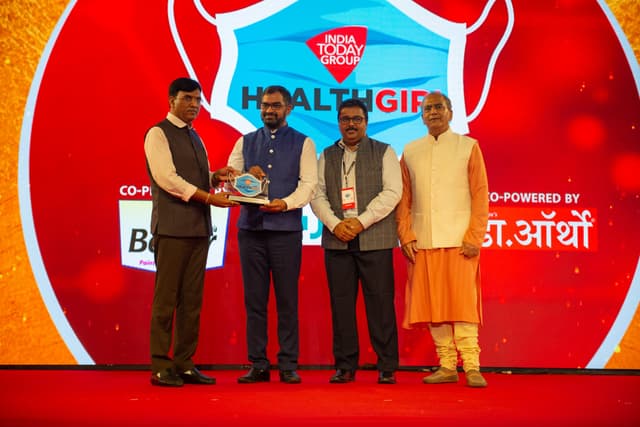
We received the India Today Healthgiri Award for “Best Child Care/Support” in 2021, in recognition of our dedicated efforts to safeguard children’s health, nutrition, and overall well-being during the COVID-19 pandemic.
2023
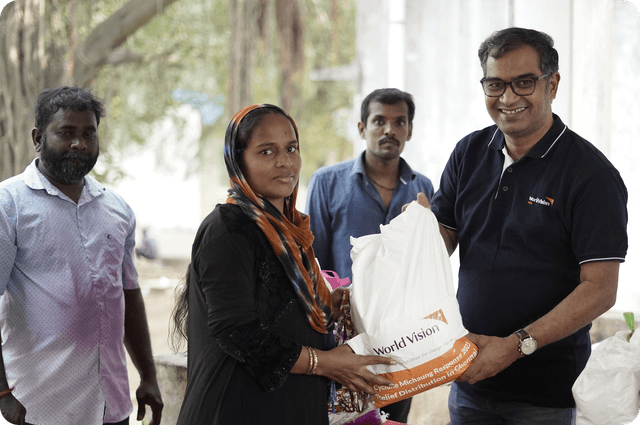
Immediate response and relief operations organised for Cyclone Michaung.
2024
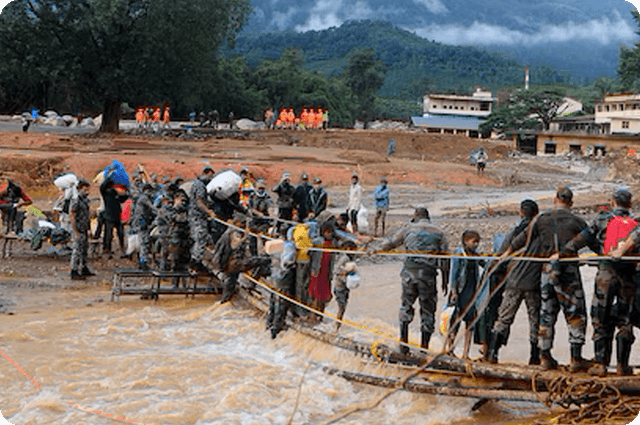
Response action initiated for the torrential monsoon rains-triggered devastating landslides in Wayanad, Kerala.